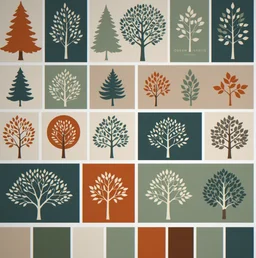
Walk at your own pace
A walking game that feels meditative. Hand-crafted trails, no combat, nothing at stake.
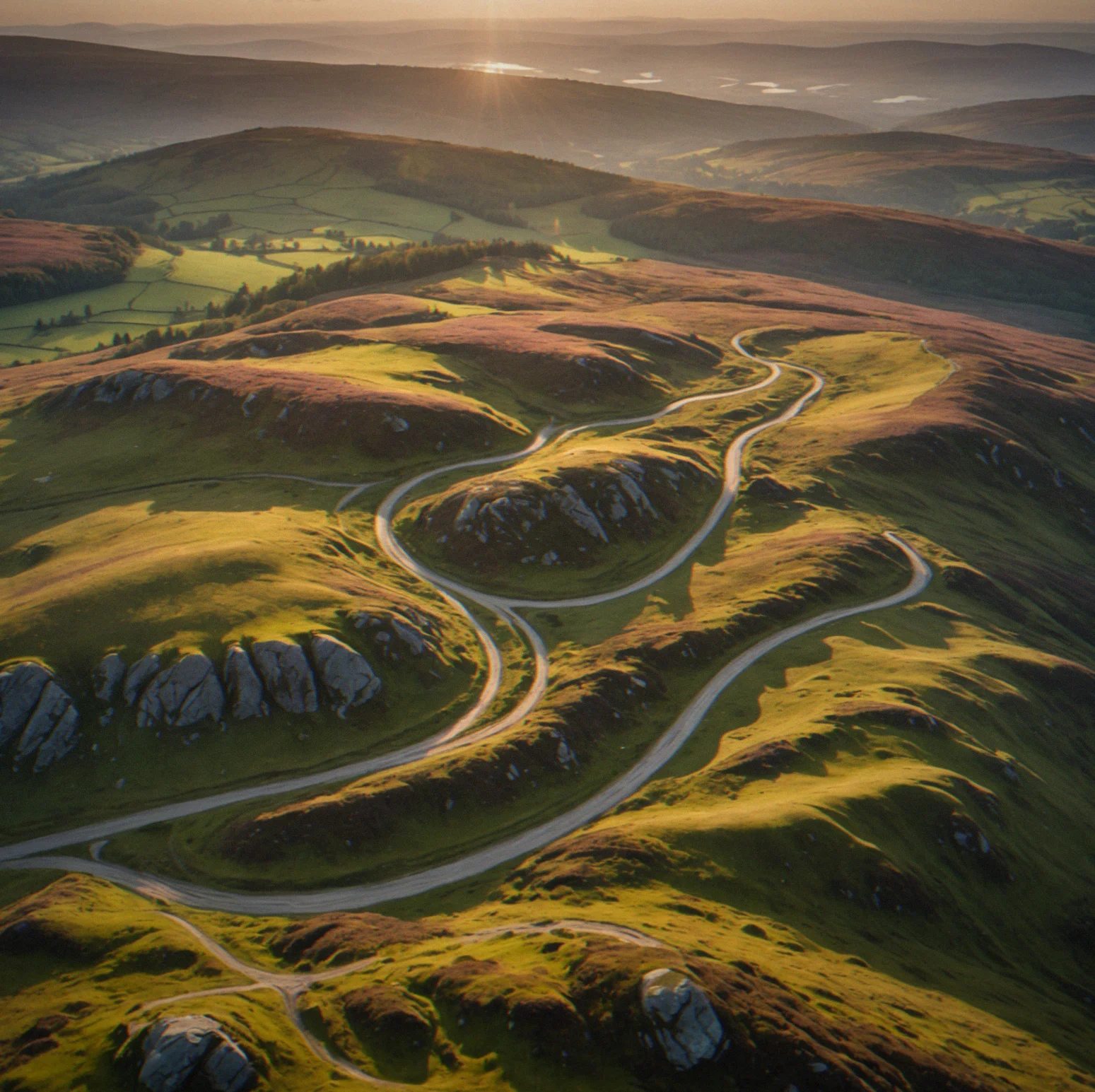
What if a game just let you walk? Mellowpath has six biome networks, each taking about an hour to explore. They're designed by hand and tested on real terrain. You move at walking speed, stop whenever you want, and find landmarks by actually looking around—no quest markers. No timers. No way to fail. Just trails that feel like places you could actually visit, and that quiet feeling when you notice something because you were paying attention.
What you'll find here
Three things that make Mellowpath different
Trails that feel real
Every path was hand-designed and tested on actual terrain before it made it into the game. The networks branch, loop, and sometimes just end the way routes do on a real walking map. You won't accidentally circle back to the same junction twice, and those scenic overlooks actually feel worth the walk to get there.
Discovery without direction
No map. No markers. No waypoints. You navigate by what you see—a ridge in the distance, how the plants change, water you can hear—the way people actually move through real landscape. The game trusts your eyes and doesn't interrupt with UI telling you where to go or what you've found, so you get that quiet satisfaction of noticing something because it was genuinely there waiting for you.
Walking speed, walking time
You move at 3 mph. That's it. No sprint button, no fast-travel, no running mechanic getting in the way. A full biome takes somewhere between 45 and 90 minutes depending on how much time you spend just looking around. Pause whenever you need to—to sketch, to listen, to stand stiill for a moment—and the game just waits without any penalty or pressure or timer running in the background.
How Mellowpath works
Six core mechanics that shape every moment of play
Hand-crafted trail networks
All 6 biomes have trails someone actually walked and mapped out, then tested on real terrain before bringing them into the game. You won't hit procedurally generated dead-ends or feel like you're following invisible waypoints. The paths branch and loop the way real walking routes do, with natural spots where trails meet and views that make you want to wander off the main path.
Walking speed only
You move at human walking pace. That's it. No running, no teleporting, nothing that breaks the rhythm. A single biome takes somewhere between 45 minutes and an hour and a half depending on how much you stop to look around. Pauuse whenever you want. The game's not going anywhere.
Flora tells the story
Instead of loading screens, biomes change through what's growing around you. Ferns start showing up. Lichen patterns change. Trees get thinner or denser. You notice the landscape shifting before you consciously realize where you are. Each area has its own plant community tied to how high you are and what the climate's doing.
Landmarks guide discovery
There's no map. No helpful arrows telling you where to go next. You navigate by looking—spotting a ridge in the distance, finding a cairn someone stacked, hearing water running somewhere, watching heather change color. These visual cues pull you forward naturally, and actually finding them feels like you discovered something instead of just following a breadcrumb trail.
Environmental storytelling
The story isn't told through conversations. It's in where things are and how they look. An old cottage with wildflowers growing through the windows. A path worn smooth by footsteps. Letters sitting at certain spots. You can piece together what happened here if you're payong attention and curious enough to look.
No fail states, no pressure
There's no clock running. No stamina draining. Nothing you can fail at. You won't tumble off a cliff or trap yourself or wreck the whole thing. Just walk, pay attention to what's around you, maybe sketch something, come back whenever. The whole thing moves at your speed.
PATH
The biomes of Mellowpath
You get six distinct walking areas, each with its own feel and rhythm. Heather Ridge opens up with moorland that rolls out forever — visibility for days, really. Birch Forest does the opposite. It closes in around you, makes everything feel more like discovery than sightseeing. Granite Coast is all exposure and scale, which hits different. Fallow Meadow stays soft and spacious, Spruce Hollow gets properly thick, and Shale Paths sits up high where the air gets thin and sparse. They blend into each other naturally, no loading screens breaking the moment, just the world shifting gradually as you climb or descend and the climate changes. That's where the story actually lives — in how the vegetation transforms, how light moves differently through the canopy.
Most people spend somewhere between 45 minutes and an hour and a half in each biome if they're genuinely exploring, stopping to sketch or just sitting with it for a bit. The paths don't do that thing where they loop you back on yourself or leave you at a dead end feeling cheated. Real terrain was tested first. Five different plant communities grow in these spaces, and they're your actual navigation tool — you don't need a map when you know that ferns mean water, when certain trees only appear at altitude, when the lichen density shifts with climate. Everything that tells a story is placed deliberately. A broken bridge. Cairns from walkers who came before. Wildflowers pushing through a window frame. Nobody explains any of it to you.
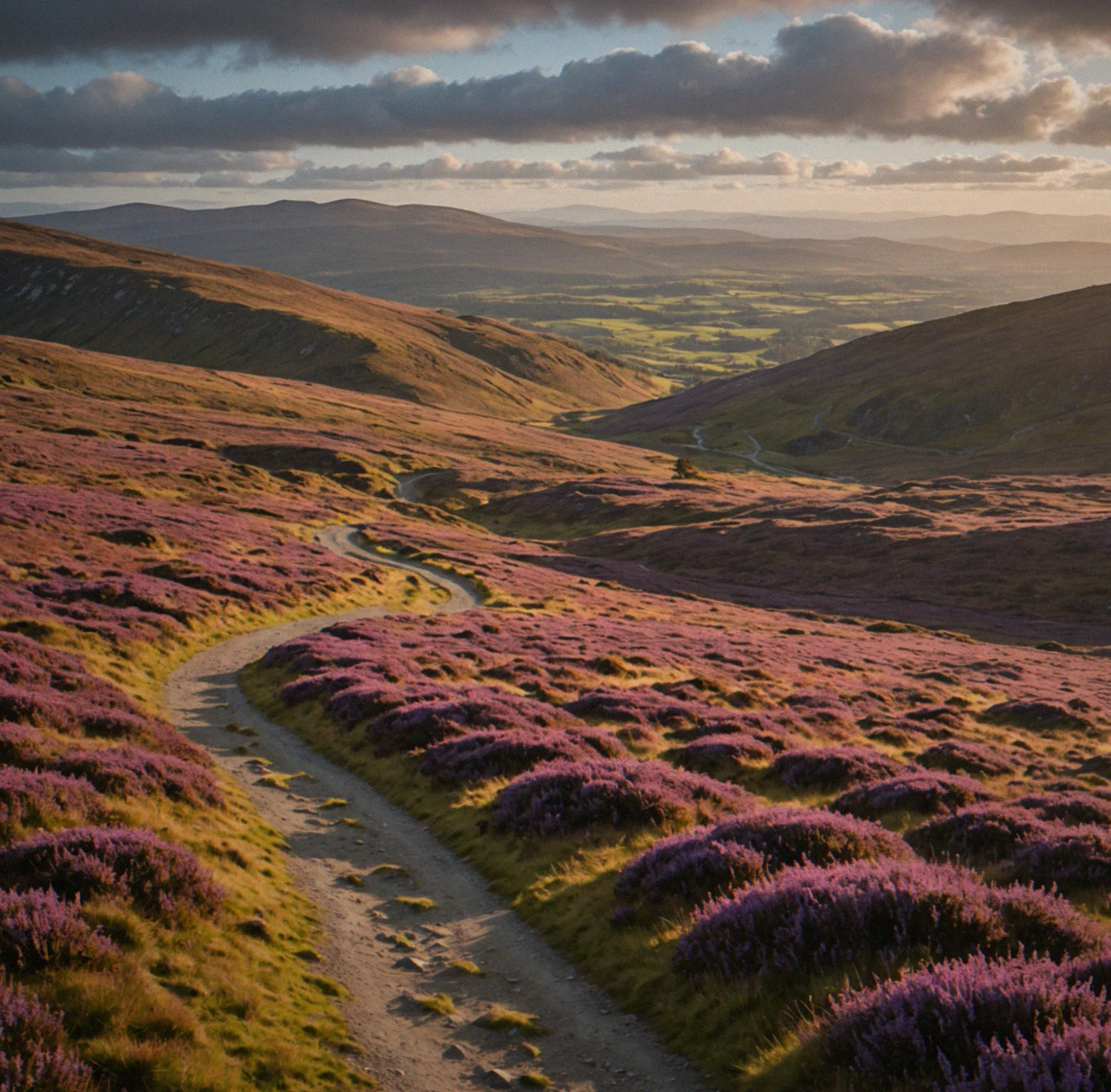
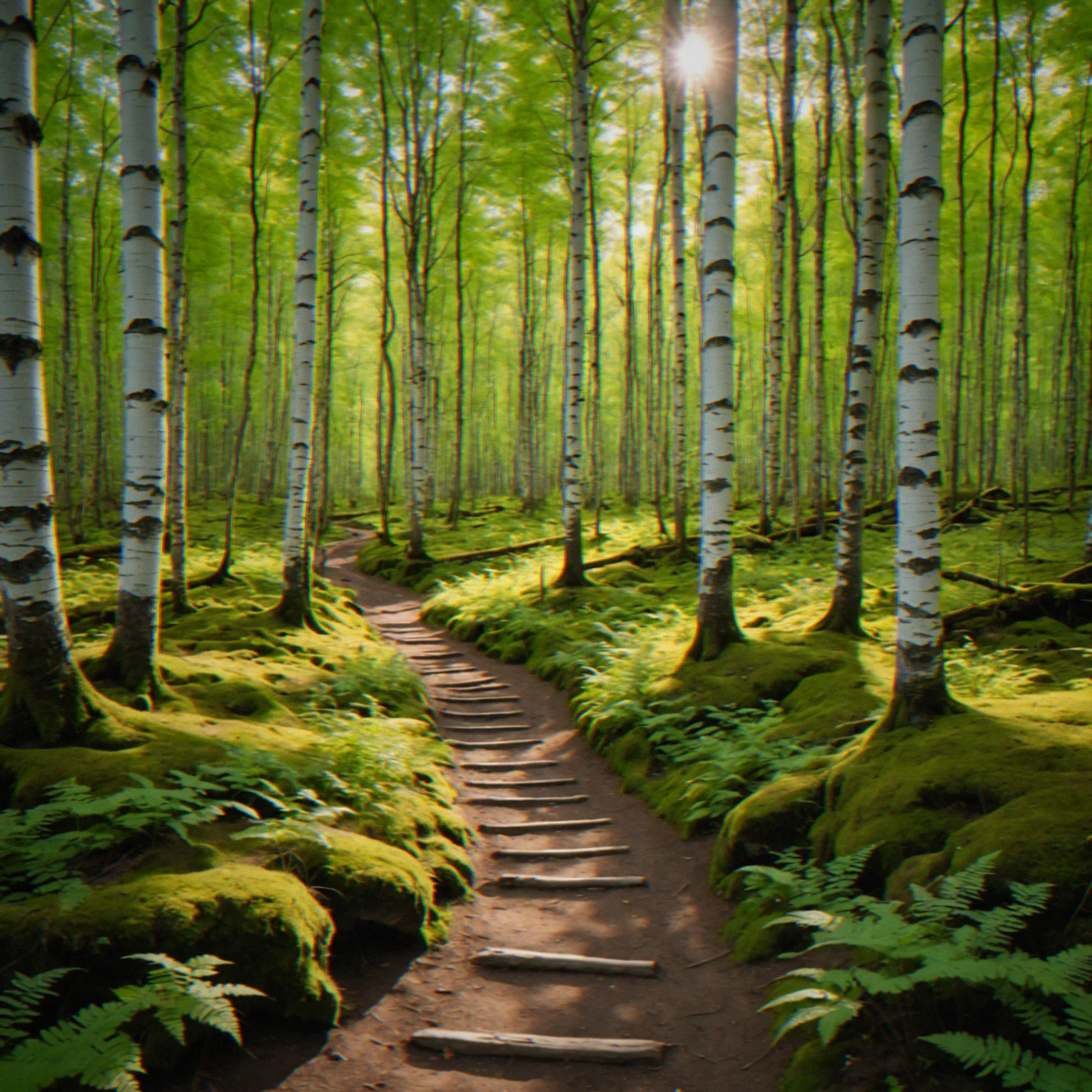
Six biomes, all walkable
Heather Ridge, Birch Forest, Granite Coast, Fallow Meadow, Spruce Hollow and Shale Paths all exist as one continuous landscape. Hand-built, naturally connected. If you take your time and really look around, you're looking at somewhere between 8 and 12 hours.
Flora shifts with elevation
Five plant communities define where you are. Ferns cluster near water. Certain trees only grow at altitude. Lichen gets thicker or thinner depending on the local climate. That's your navigation system.
Trails tested on real terrain
The layout started procedurally but got walked and validated by hand before it made it into the game. Every fork in the path was checked. You won't accidentally circle back or stumble into frustrating dead-ends.
Environmental storytelling through placement
What you find — abandoned buildings, weathered stone markers, paths worn by footsteps — tells you something about what was here before. You can piece it together if you want to, or just walk past it.
Walking pace, no pressure
3 miles per hour. Stop whenever. There's no timer, no stamina meter, nothing can fail you. The game just waits.
What makes Mellowpath different
Three things that matter if you want to actually walk instead of just rushing through
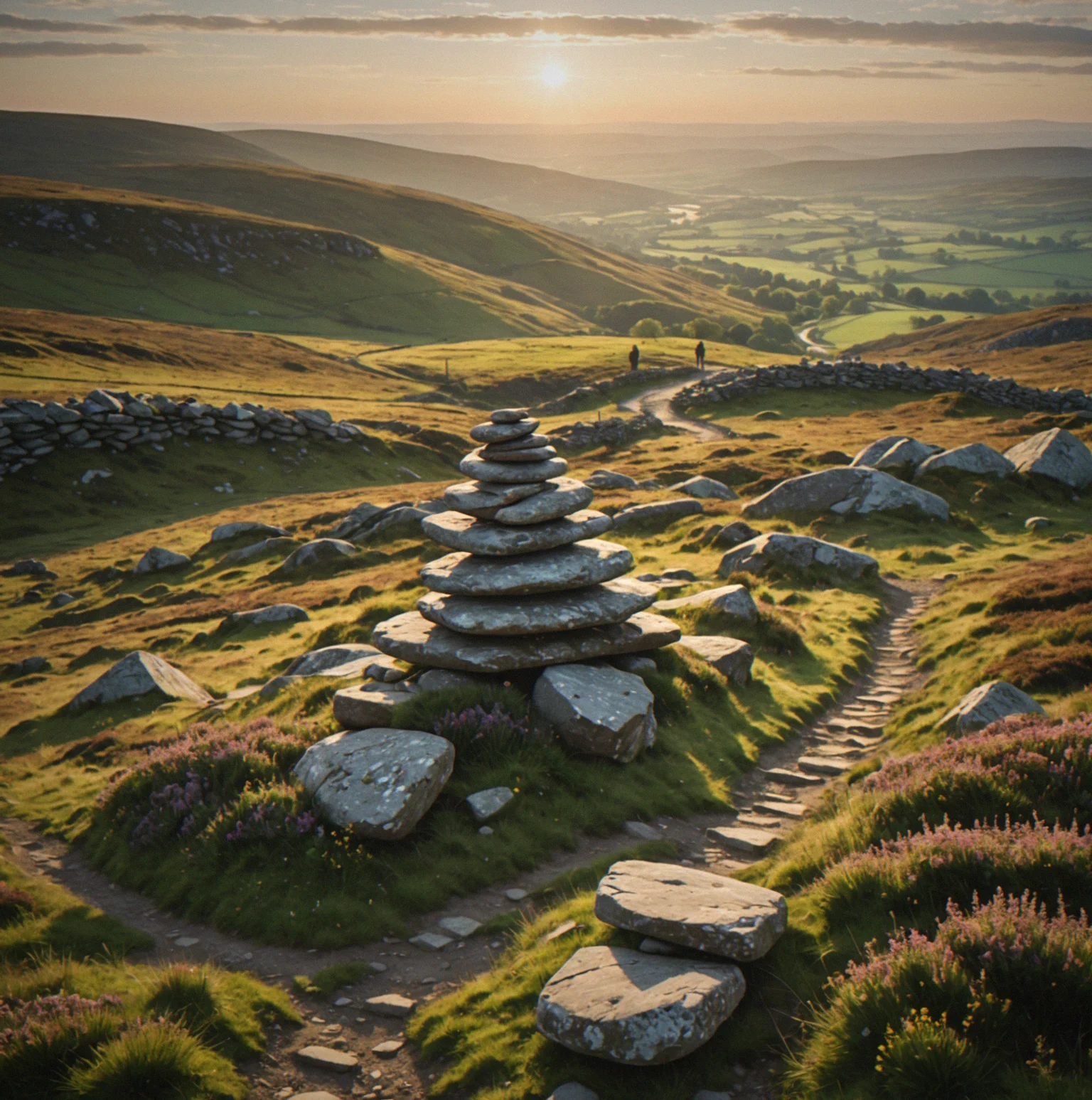
Trails you can actually trust
Every path was hand-designed and tested on real ground before it went into the game. There's no procedural generation here. You won't hit weird loops or dead-ends that make no sense. The networks branch the way they should, connect logically, and they let you wander without punishing you for it. Spend 45 to 90 minutes walking and it'll feel like you found somewhere real.
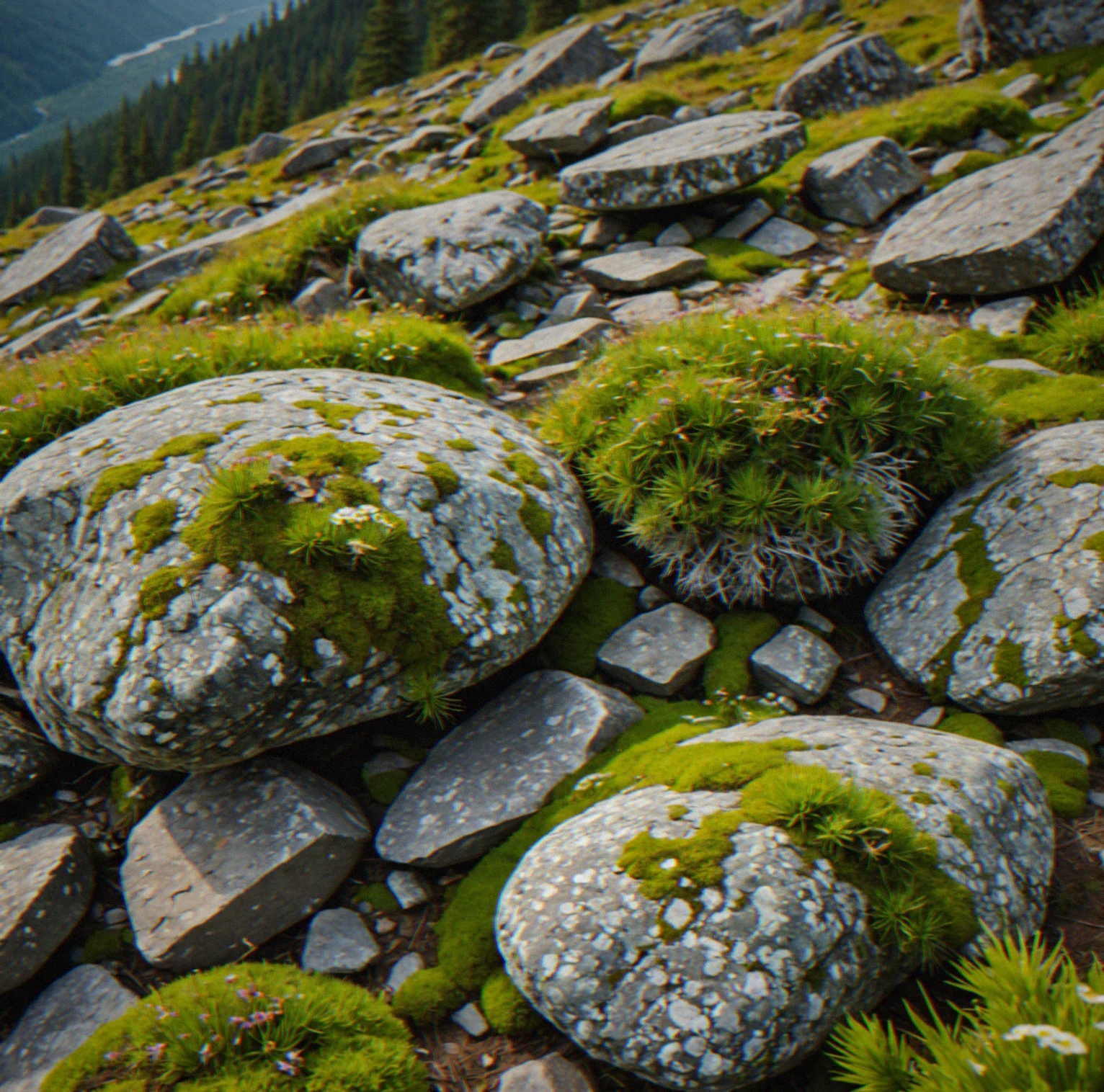
The plants tell you what's around
You pick up on it without even thinking about it. Ferns show up near water. Certain trees grow at specific heights. Lichen gets thicker or thinner. Each biome has five distinct plant communities, so when the vegetation shifts, you know something about the terrain is different too. No signs needed. Just plants doing what plants do.
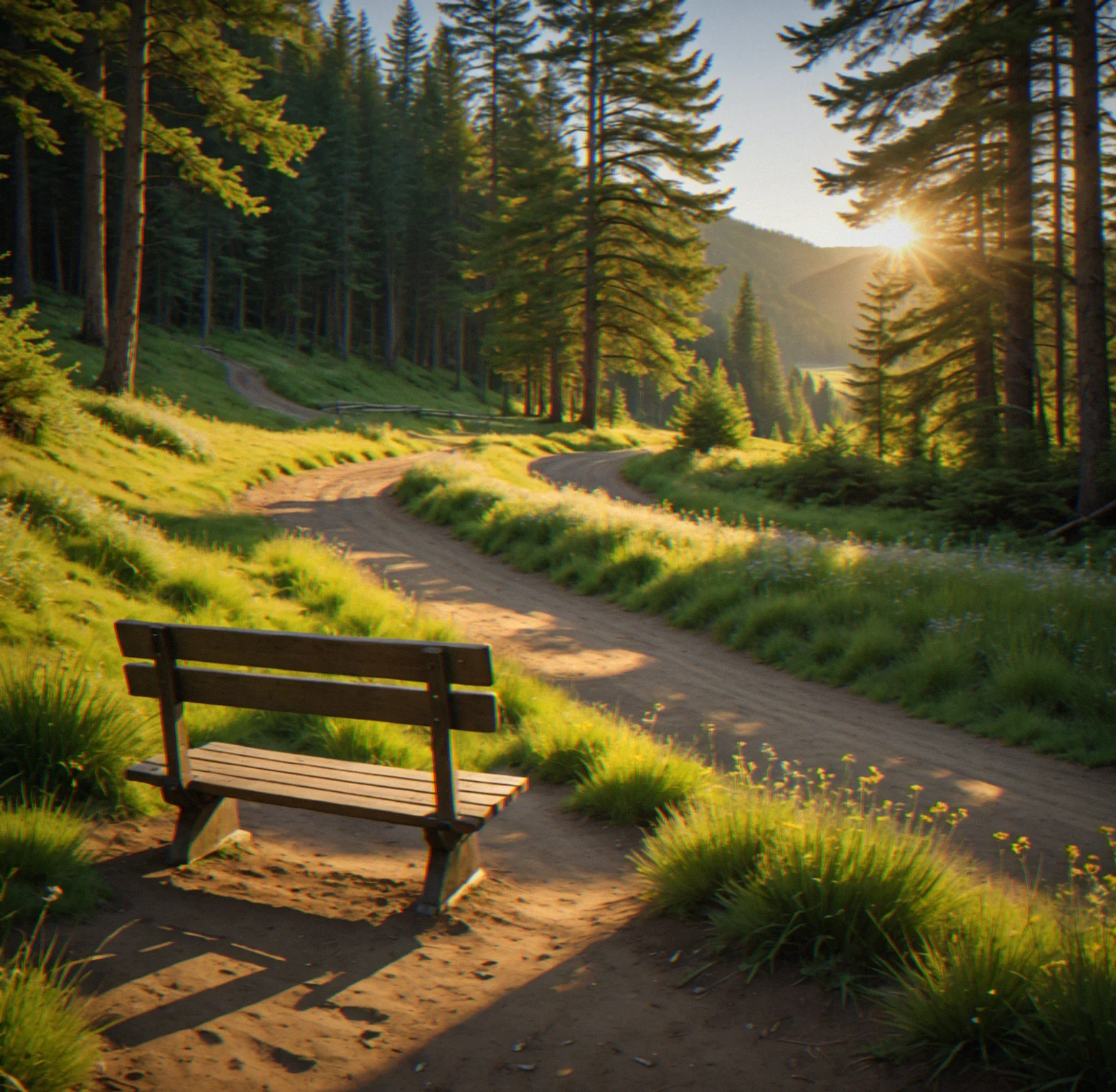
Nothing to lose
There's no timer. You can't fail. Walk at whatever pace you want—literally your walking pace, 3 mph, that's it. Stop to sketch or listen or just stand there. The game will wait for you.
Here's what you actually get
Four things about how Mellowpath is built
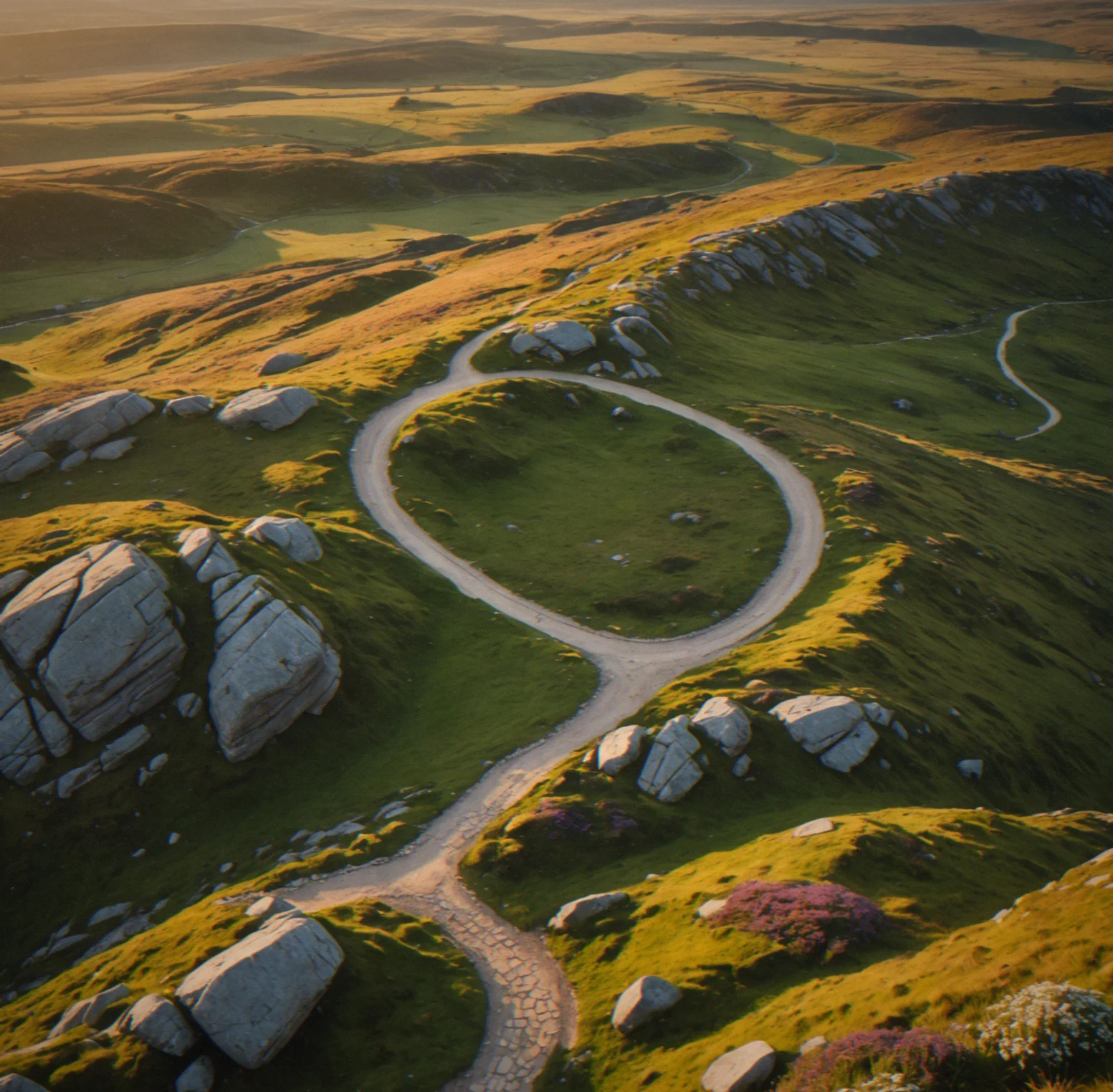
Hand-designed trails
Someone mapped out each of the six biome networks by hand and tested them on actual terrain before putting them in the game. The geometry started procedural but got refined manually. trails branch and loop and end the way real walking routes do, not like the awkward backtracking you get from random generation. Budget forty-five to ninety minutes per biome depending on how much you stop and look around.
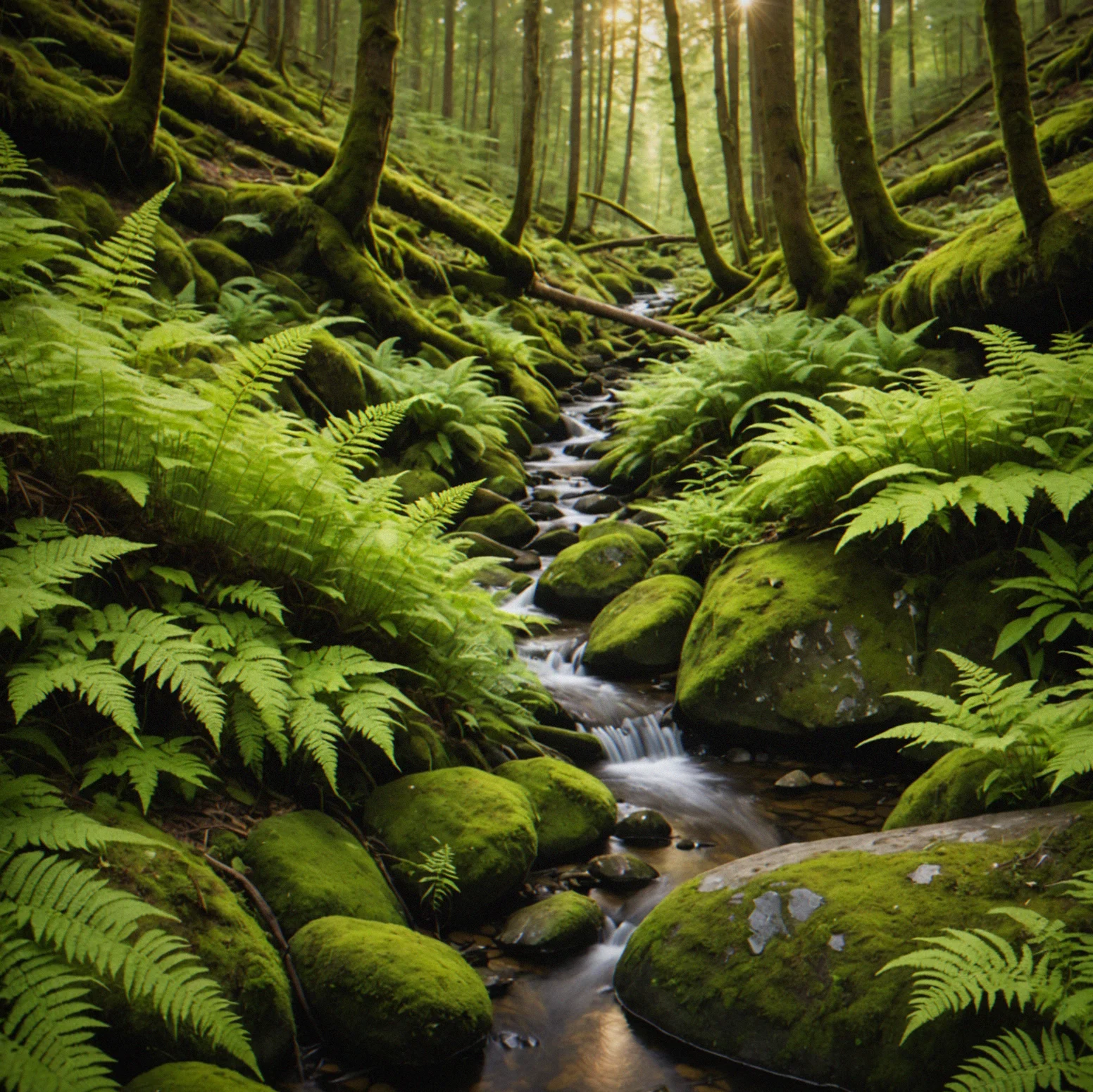
Plants tell you where you are
Five different plant communities make up the landscape. They shift with elevation and moisture and which way the slope faces. You'll notice ferns near water, certain trees higher up, lichen getting denser on the rocks. The game doesn't explain any of this. You walk and figure it out yourself.
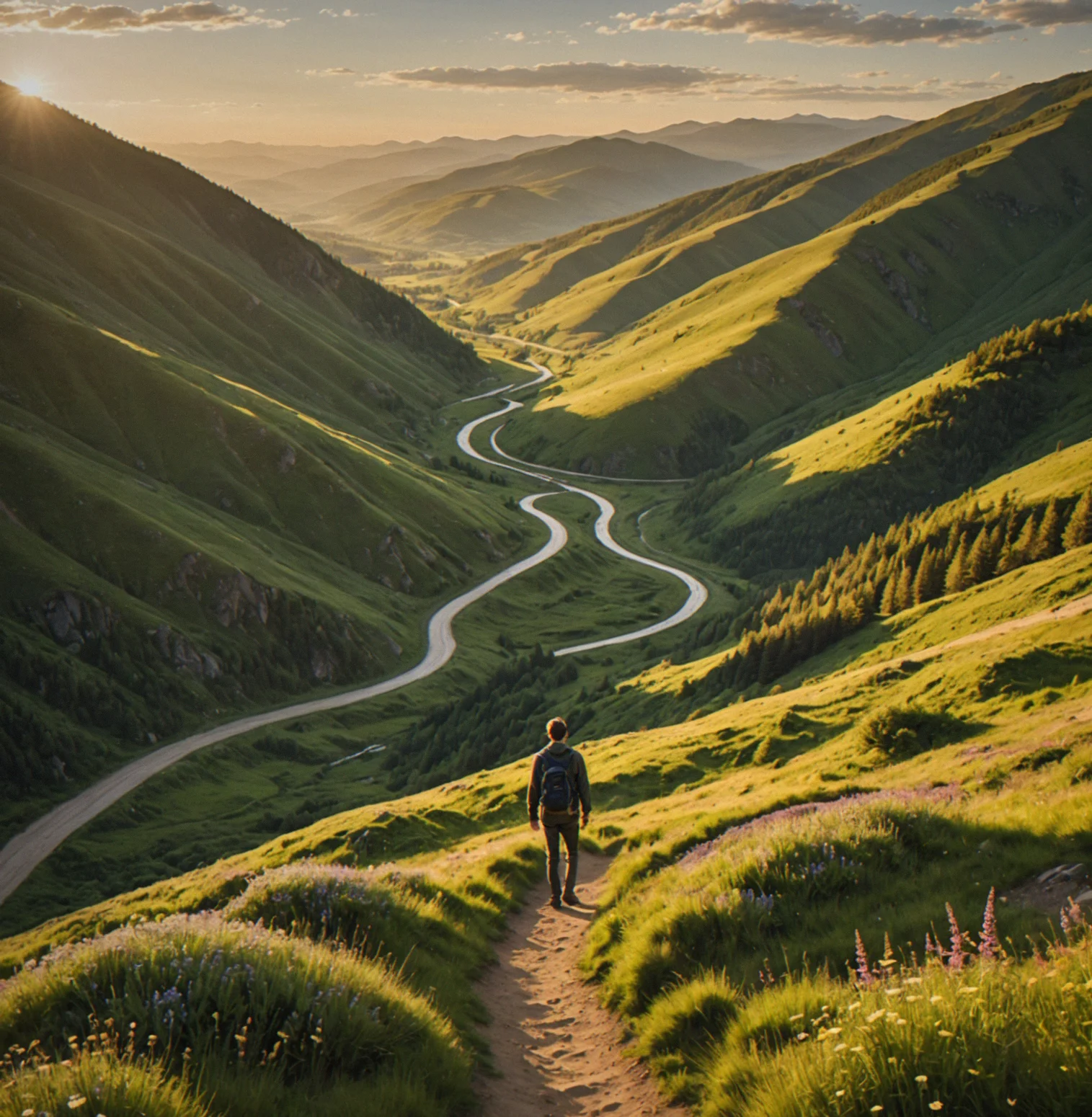
One pace only
Three miles per hour. That's it. No sprinting, no jogging, no teleporting across the map. You move the way actual people move through a landscape. You can pause whenever. Sketch. Listen. Just stand there. The game won't punish you for stopping.
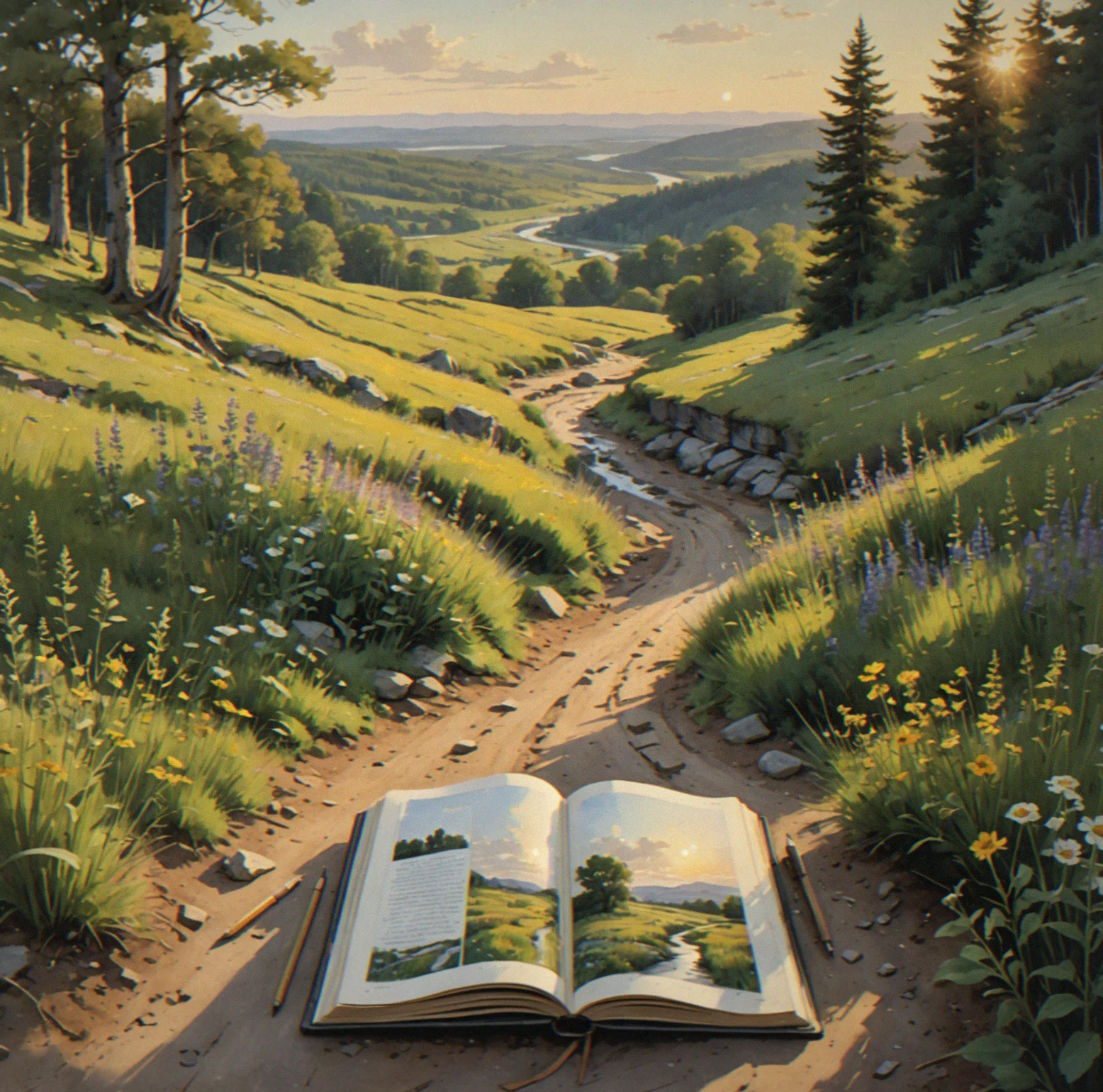
No way to fail
No countdown. No stamina bar. Nothing to lose or get trapped by. Wander wherever you want, walk the same path twice, spend an entire session on one hillside. You're looking at eight to twelve hours if you explore all six biomes and take your time. Longer if you sketch as you go.
Before you buy
Actual questions people ask when they're trying to figure out whether Mellowpath is something they'd actually want to spend time on. We kept the answers straightforward.
Yeah, it's a walking game. You won't find combat, puzzles, or any progression system to chase. What you get is eight to twelve hours moving through six different biomes, discovering things as you go and picking up the story through what the environment tells you. The whole thing is designed around the experience of walking through a carefully crafted landscape at whatever pace feels right, without anything pushing you to hurry.
Really depends on how you play it. Rush straight through a single biome and you're looking at 45 to 90 minutes. But if you're stopping to sketch, hanging out in spots that feel interesting, and actually exploring everything the game has to offer, you're easily into double digits across all six areas. Since there's no finish line you're racing to and no checklist of achievements forcing you onward, playtime just becomes whatever amount feels satisfying to you.
That's genuinely the question to ask yourself. If A Short Hike grabbed you specifically because of the walking part and not the social stuff, or if you've spent time in Outer Wilds just sitting somewhere and soaking in the mood, then yeah, this'll work for you. But if you need a story pulling you forward or some mechanic to solve, you're probably going to check out pretty quick. What makes it engaging is noticing small details, not collecting rewards for noticing them.
Hand-designed, though procedural tools helped figure out how things could connect and flow. Then we walked every path, tested it against real terrain and refiined it from there. Nothing's randomly generated. You won't get those weird loops or frustrating dead-ends that procedural systems are famous for. Every place where the path splits was actually walked through.
It's on Switch, PS5, Xbox Series X/S, PC through Steam and Epic, plus Mac. Buy it once and you own it everywhere you have accounts, with saves that sync across whatever systems you're using. Runs at 60 frames on console and uncapped on PC. Costs $19.99 — that's the whole thing, no extra purchases or battle passes hanging over you.